


Professor Paul Hoggett: ”Imagining Our Way in the Anthropocene”
Humankind has damaged, possibly irreparably, the benign climatic conditions which made civilization possible during the Holocene epoch. Paradoxically the Enlightenment was the handmaid to this destructiveness. Despite its many achievements the Enlightenment assumed that humankind was destined to assert mastery over nature, a nature which, far from being benign, was construed as alien and hostile. Unless we can imagine a different way of being in this world, more science, more technology, more private enterprise, more progress cannot provide the means of repair. We need a new way of imagining how to be human, one which replaces grandiosity with humility, atomisation and individualism with connectivism, and instrumentality with purposivity. This has radical implications for how we see human agency, time, and beauty.


Professor Susan Long and Margo Lockhart: ”In nature: Human interaction with living non-human co-inhabitants of our world”.
Most organisations nowadays include sustainability, or care for the environment in their quadruple bottom line. Despite this, many managers and leaders have minimal understanding of how humans and humanity interact with living, non-human, parts of the environment.
This presentation looks at those human relations with non-human elements of the earth as a living system that organisational leaders need to understand in this current age: now known as the Anthropocene era. Of special interest is the ways in which we interact with animals, given climate change, increasing population numbers, deforestation, and cultural attitudes to food.
How might we better understand the nature of sentience across human/animal boundaries? What responsibilities do our organisations and cultures have for species sustainability, transmission of disease across species, the cruelty of factory farming and the interactions between devastating climate events, such as floods and forest fires and human/? animal interactions? It is only when we can truly recognise our part in nature, rather than seeing ourselves as masters of nature, that a new humanity and true democracy can emerge.
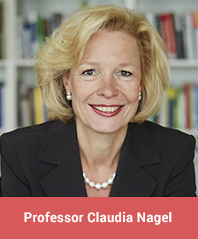
Professor Dr. Claudia Nagel: ”The 4th humiliation of humankind and its impact on organisational culture and leadership”.
This paper explores the symbolic meaning of the virus as the fourth humiliation of human narcissism which we experience as we are not – as believed by many so far – the “rulers of the world/ the planet/the earth”. Based on this it develops a first understanding of the specific responsibility growing out of this insight and the specific role we have as human beings in this world. Being human means to be able to plan and anticipate the future, to be emotional and empathic and to self-reflect. This is the base for moral reasoning and ethical reflections. Organizational leadership and culture will have to contribute to overcome the fourth humiliation by applying this insight.
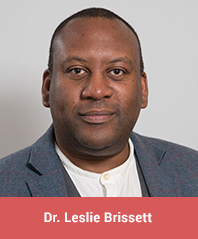
Dr. Leslie Brissett: “Our ongoing European Colonial Project – We are the most powerful on Earth!”.
Was conspiracy theorist David Icke right and do we understand what it means to be human? Conspiracy theorists have been arguing for decades that the leaders of the global order, in every country and continent are unapologetically destructive to the point that they may not be human. Our species-wide thanatic addiction has unleashed bwaves of desolation, alienation and isolation that have driven the accumulation of material wealth into the hands of 0.1% of the population. Can the perspectives derived from group relations shed light on the patterns embedded in the social and cultural systems, and can its practitioners develop the courage to speak to those in authority to undo the lies that keep us thinking we are the most powerful on earth?